
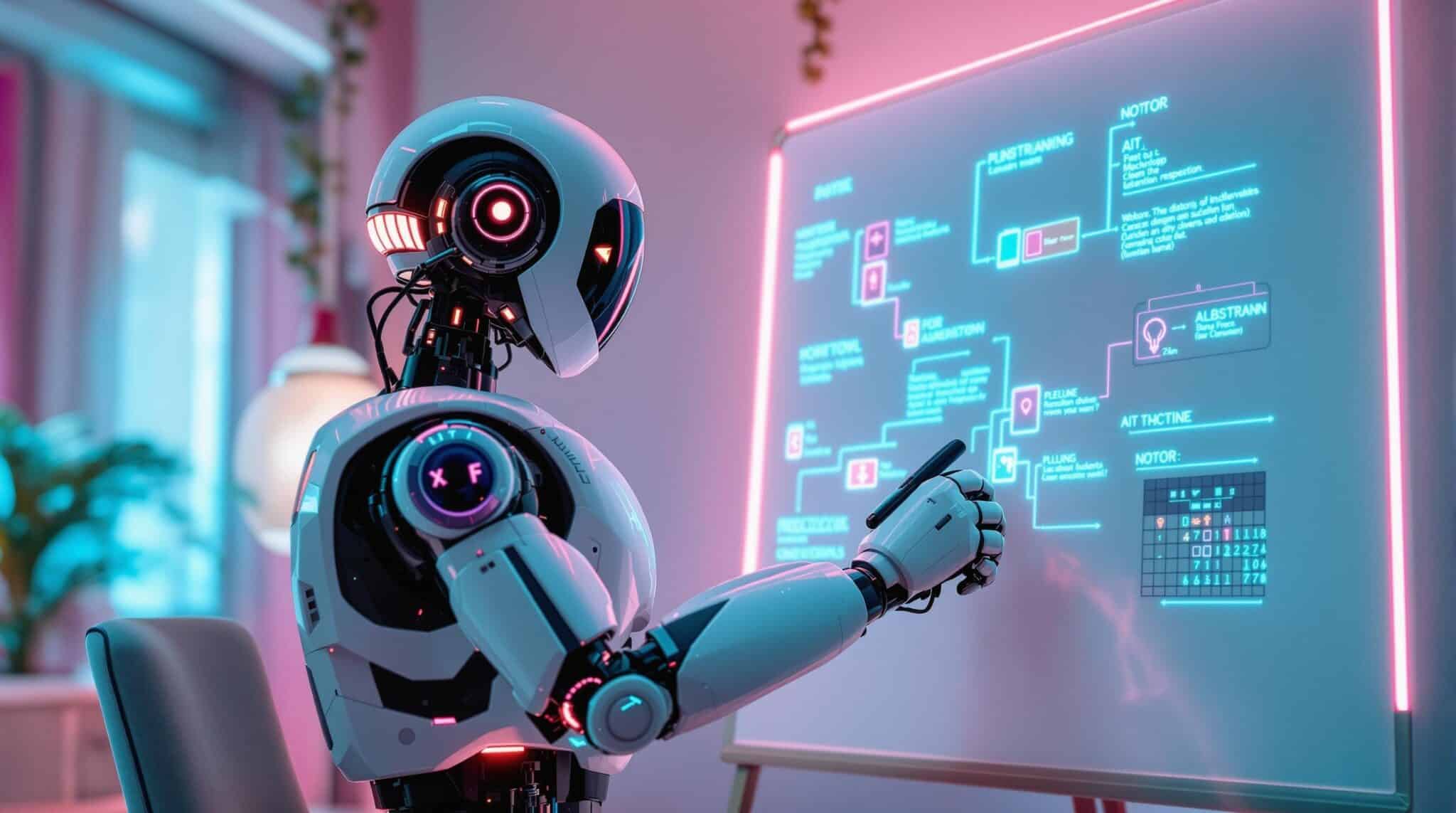
Artificial intelligence is transforming the way people work, learn, and manage daily responsibilities. What once seemed like futuristic technology has become an essential part of modern productivity. From automating repetitive tasks to providing intelligent recommendations, AI powered productivity tools are helping individuals and businesses accomplish more in less time. As these solutions continue to evolve, the next generation of AI promises to make workflows even smarter, faster, and more personalized.
AI Is Moving Beyond Simple Automation
Early productivity software focused primarily on organizing calendars, storing documents, and managing emails. Today’s AI driven platforms take a much broader approach. They analyze work patterns, predict user needs, summarize information, generate content, and even suggest better ways to complete projects.
Instead of simply responding to commands, modern AI tools actively assist users by identifying priorities and reducing unnecessary manual work. This shift allows professionals to spend more time on strategic thinking, creativity, and decision making rather than repetitive administrative tasks.
As organizations embrace digital transformation, productivity platforms continue integrating with a wide range of online services. Even government related searches, such as rtps 1 bihar, demonstrate how users increasingly rely on digital systems alongside AI assisted workflows to access important information efficiently.
Personalized Assistance Is Becoming the Standard
One of the most significant advancements in AI productivity is personalization. Rather than offering identical experiences for every user, intelligent systems learn preferences over time.
For example, AI can recognize writing styles, schedule recurring meetings automatically, prioritize emails from important contacts, and recommend the best time for focused work. These personalized experiences reduce distractions and improve overall efficiency.
Machine learning also enables software to adapt continuously. As users complete more tasks, AI becomes increasingly accurate in predicting future needs, creating a smoother and more productive work environment.
Smarter Collaboration Across Teams
Modern workplaces depend heavily on collaboration, especially as remote and hybrid work models continue to expand. AI powered collaboration tools help teams communicate more effectively by generating meeting summaries, tracking action items, translating conversations, and organizing shared documents.
Instead of spending hours reviewing lengthy discussions, employees can quickly understand key decisions through automatically generated summaries. AI also assists project managers by identifying potential delays, highlighting missing tasks, and recommending workflow improvements before problems become significant.
Visual recognition, natural language processing, and intelligent search functions further simplify locating important files, making teamwork more organized than ever before.
AI Supports Better Decision Making
Beyond improving productivity, AI has become a valuable decision support system. Advanced analytics platforms process massive amounts of data within seconds, identifying patterns that humans might overlook.
Business leaders can use predictive insights to forecast customer demand, optimize operations, and allocate resources more efficiently. Marketing professionals benefit from AI generated audience analysis, while financial teams gain access to automated forecasting models.
Even outside corporate environments, digital platforms related to government services, such as pm surya ghar logo, reflect the growing importance of accessible online resources that complement AI enabled information management.
Enhanced Security and Intelligent Data Management
As AI becomes deeply integrated into productivity software, security remains a top priority. The newest generation of AI tools includes advanced threat detection, automated access controls, encrypted data management, and continuous monitoring.
These capabilities help organizations protect confidential information while maintaining efficient collaboration. AI can identify unusual login behavior, detect phishing attempts, and automatically flag suspicious activities before they develop into serious security incidents.
Organizations handling sensitive information increasingly depend on intelligent security systems that balance convenience with strong data protection standards.
Simplifying Complex Administrative Processes
AI also reduces the burden of administrative work by automatically organizing documents, extracting important information, generating reports, and verifying data accuracy.
Users frequently manage multiple online portals alongside their daily work. References such as pmmvy login id and password illustrate how individuals interact with various digital platforms, making AI based organization tools especially valuable for keeping information structured and easily accessible.
Document classification, intelligent search, and automated record management continue improving productivity across education, healthcare, finance, and government sectors.
The Future of Intelligent Work
Looking ahead, AI powered productivity tools will become even more conversational, context aware, and proactive. Instead of waiting for instructions, future systems may anticipate upcoming deadlines, prepare reports automatically, coordinate schedules across multiple teams, and recommend optimal solutions based on real time conditions.
Generative AI will also continue expanding beyond text creation into multimedia production, software development, business analysis, and knowledge management. As these technologies mature, users will spend less time managing software and more time achieving meaningful outcomes.
Similarly, online information systems connected to regional services, including mahabhulekh nagpur, demonstrate how digital accessibility continues expanding across different sectors, reinforcing the importance of intelligent tools that simplify information retrieval.
Conclusion
The next generation of AI powered productivity tools is reshaping how people approach work and daily responsibilities. By combining automation, personalization, advanced analytics, intelligent collaboration, and enhanced security, these technologies help individuals and organizations operate more efficiently than ever before.
As AI continues evolving, productivity will no longer be measured solely by speed but also by the quality of decisions, creativity, and collaboration that intelligent systems make possible. Those who embrace these innovations today will be well positioned to thrive in an increasingly digital and AI driven future.